Published in Whispers of Habbit | Written by Caviar & Co.
A new wave of femininity is rising — one that’s darker, deeper, and beautifully unapologetic.
For too long, femininity has been confined to light — the blush of pink, the glow of glass skin, the carefully curated idea of being soft and sweet. But the soft goth woman steps outside of that narrow light. There's a kind of woman who lingers in memory — not because she seeks attention, but because she absorbs it. She glows in chiaroscuro — in the contrast between knowing and mystery, between grace and control. From Winona Ryder’s wistful defiance to Angelina Jolie’s cinematic restraint, from Zoë Kravitz’s liquid minimalism to Jenna Ortega’s subversive charm — these women inhabit what culture calls soft gothic, but what might be better understood as the art of self-possession.
The Psychology of the Shadow
Darkness, for women, has long been mythologised — something to be feared, repressed, or contained. The Gothic rewrote that rule. Through the centuries, the feminine “dark” became not the absence of virtue, but the presence of complexity. In literature, we first saw it in the women of Dracula and Carmilla — characters painted as both victim and siren, both feared and desired. Their danger wasn’t their hunger; it was their autonomy. The modern woman inherits that duality. The soft goth archetype is less about aesthetic rebellion and more about psychological reclamation — the decision to occupy one’s entire emotional register without apology. She doesn’t dress in black to disappear. She dresses in black because it reflects light differently.
Women Who Don’t Fade
The women who embody this aesthetic — Ryder, Jolie, Alexa Demie, Zoë Kravitz, Catherine Zeta-Jones — are not stylised caricatures; they’re case studies in balance. Their allure lies in contrast: seductive yet contained, emotive yet measured, feminine yet unyielding. It’s why their images endure when others blur. Each one has turned stillness into power — the opposite of performance. Even in contemporary culture, this fascination continues. From Euphoria’s Maddy Perez to Wednesday Addams, from Crimson Peak’s haunted grandeur to the sensual intelligence of Interview with the Vampire, the Gothic lens still gives women the freedom to explore beauty as a danger and desire as an intelligence.
Dressing the Duality
When stylists get it right, it feels intimate — as if the clothing is an extension of psyche, not trend. Law Roach, dressing Zendaya, proves this instinctively: he doesn’t dress her for the algorithm; he dresses her for the mirror. Designers such as Ann Demeulemeester, Simone Rocha, and Rick Owens continue to craft garments that merge discipline with abandon — sculpted lace, liquid leather, restrained silhouettes that move like thought. Even Prada and The Row have entered the conversation — their muted palettes and architectural tailoring turning silence into a statement.
In beauty, the same balance exists:
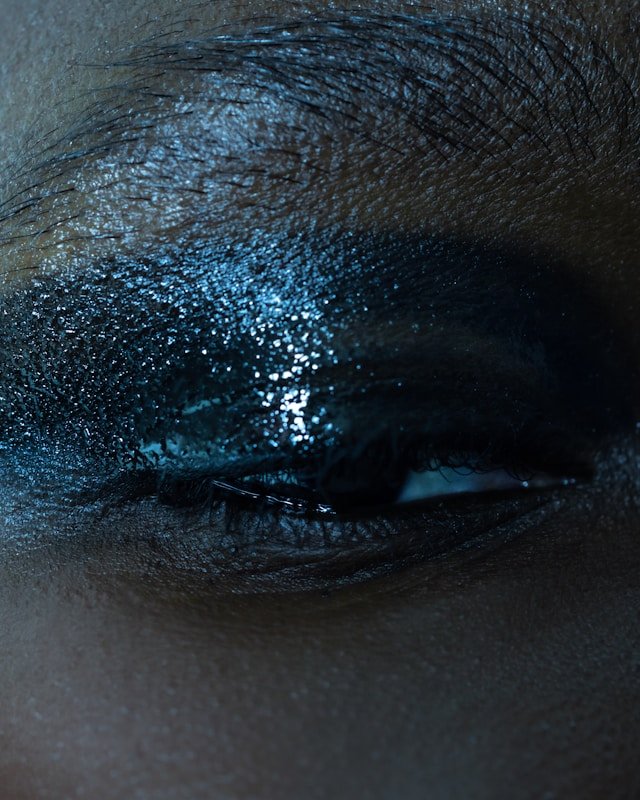
• A smudge of Victoria Beckham Beauty Satin Kajal Liner, more gaze than makeup.
• Westman https://www.spacenk.com/uk/makeup/cheeks/blusher/baby-cheeks-blush-stick-MUK200050298.htmlAtelier’s Baby Cheeks in Dou Dou, a whisper of warmth beneath the cool.
• Maison Margiela’s “By the Fireplace”, the scent of smoke and memory.
• Hair parted and brushed back — not severe, but deliberate.
The soft goth woman isn’t performing a role. She’s dressed as herself — unsoftened, unhurried, unafraid.
The Literary Thread
What’s striking about this aesthetic is its endurance. Every decade believes it’s rediscovered darkness; in truth, women have always been fluent in it. The gothic heroine — from Jane Eyre’s storm-lit solitude to Rebecca’s unnamed narrator, to the quiet rage of The Bloody Chamber — has always symbolised the interior life of women: vivid, watchful, and unwilling to be simplified. Perhaps what’s happening now, in fashion and in feeling, is a collective return to that emotional architecture. A recognition that women can hold both the candle and the shadow — and look exquisite doing so.
The Caviar Edit: Shadow and Silk
• Ann Demeulemeester tailored wool coat — austerity reimagined as grace.
• Simone Rocha lace blouse — delicate in structure, defiant in meaning.
• Rick Owens bias-cut silk — minimalism as sensuality.Join the Caviar & Co. Inner Circle
Don’t forget to sign up for the Caviar & Co. newsletter to stay updated on curated picks, exclusive interviews, seasonal guides, and upcoming editorial features — delivered straight to your inbox each month.
Tag us, we’d also love to see your favourites! Share your Fortnum & Mason finds this autumn and tag us on Instagram @CaviarAndCo using the hashtags:#CaviarPicks.
Join the Caviar & Co. Inner Circle
Don’t forget to sign up for the Caviar & Co. newsletter to stay updated on curated picks, exclusive interviews, seasonal guides, and long-form features — delivered straight to your inbox each month.
Tag us, we’d also love to see your favourites! Share your Fortnum & Mason finds this autumn and tag us on Instagram @CaviarAndCo using the hashtags:#CaviarPicks.
Pull Up a Seat at The Guest Chair
Would you like to be a writer for the day?
We’d love to hear from you. What’s your ritual? What’s a habit, product, or philosophy that’s changed your life or the way you see yourself? Please submit your story. Through our Guest Chair, you can contribute to Caviar & Co. by sharing your take within one of our existing segments. Click through to discover how to submit and be featured.
Explore More From Our World
Dive deeper into our universe of culture and storytelling. Discover our upcoming edit on autumnal fragrances — a scent diary celebrating the smoky, resinous, and sensual notes that define the season.
And if you’re in the mood for something more introspective, explore our curated reading list of female rage and gothic novels in The Reading Room — stories that honour complexity, defiance, and women who choose themselves.