
Published in After the Credits | Written by Caviar & Co.
On a quiet Marylebone morning, we stepped into Daunt Books — not so much a shop as it is a shrine. The old Edwardian oak shelves stretch skyward, lit by the kind of glass‑ceiling light that turns paper golden. Originally founded in 1912, the space was built for travel literature, but today, Daunt is a haven for everything from modern classics to obscure titles you’d never find elsewhere. It’s the kind of place where hours vanish and you leave with something you didn’t expect.
In many ways, Guillermo del Toro (born 1964, Guadalajara, Mexico) is a creature of similar architecture: gothic, eclectic, infinitely curious. His films marry fairy-tale wonder with horror‑edge, often illuminating what others cast into shadow. He co‑founded the Guadalajara International Film Festival and began his own production company before making his directorial breakthrough with Cronos (1993). Over the years, del Toro forged a signature voice through movies such as Pan’s Labyrinth (2006), Hellboy (2004 & 2008), Crimson Peak (2015), and The Shape of Water (2017) — which won the Academy Award for Best Picture.
A Monster of Many Facets
Del Toro has long been drawn to the monstrous — not because of fear, but because of empathy. In an interview, he once said:
“The only thing you can do as an artist is to come to the world, see what no one is doing, and leave behind one or two things that wouldn’t have happened without you.”
And when asked about his own monster‑obsession, he noted:
“The underground of the city is like what’s underground in people. Beneath the surface, it’s boiling with monsters.”
What that reveals is a filmmaker who doesn’t simply intend to scare. He intends to show what we hide, ignore, or bury — and to render it beautiful, humane, devastating.
Frankenstein: Culmination or Re‑Beginning?
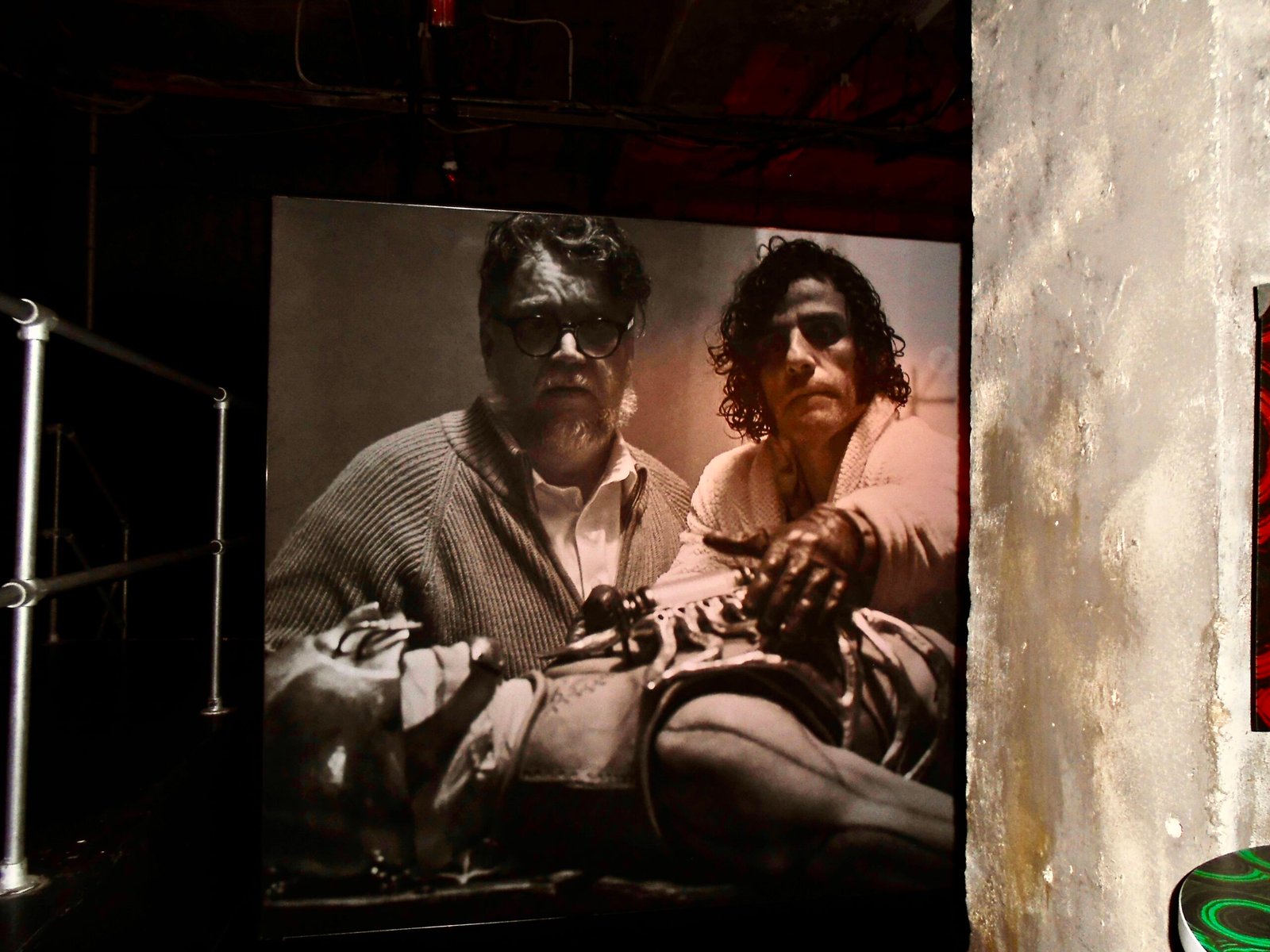
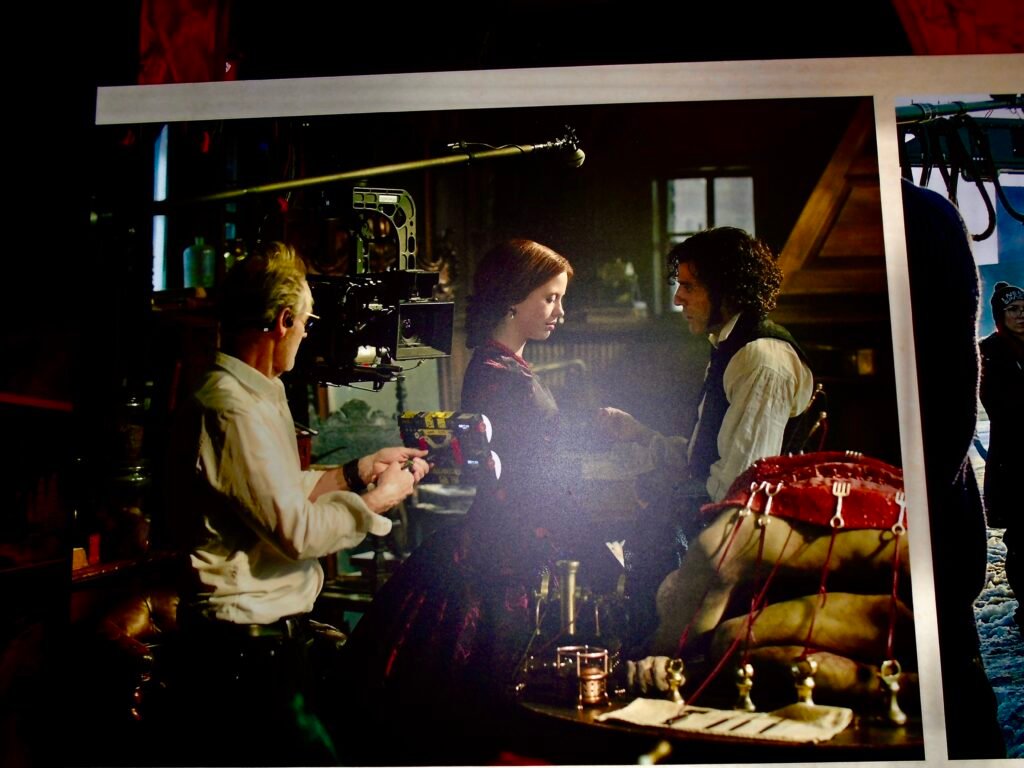
In 2025, del Toro brings to the screen his adaptation of Frankenstein, streaming on Netflix from November 7 (with a limited theatrical release from October 17).
He described the project in one teaser as:
“This has been, for me, the culmination of a journey that has occupied most of my life. I first read Mary Shelley’s Frankenstein as a kid and saw [Boris Karloff in what became] for me an almost religious state. Monsters have become my personal belief system.”
Yet del Toro explicitly argues this isn’t a typical horror film. At Cannes, he said:
“Somebody asked me the other day, ‘does it have really scary scenes?’ For the first time, I considered that. It’s an emotional story for me. It’s as personal as anything. I’m asking a question about being a father, being a son… I’m not doing a horror movie — ever. I’m not trying to do that.”
Here we find the shape of his monster: not just flesh and bolts, but pain, creation, abandonment. The creator and the creature become reflections of each other. The myth, to del Toro, is universal — and any true adaptation must be more than faithful. It must breathe.
From The Shape of Water to Crimson Peak
In The Shape of Water, set in 1962 America, del Toro used a fairy‑tale setting to tell a story of “otherness,” love, and fear of the unfamiliar. He has said:
“The movie is about our problems today and about demonizing the other … if I say once upon a time in 1962, it becomes a fairy tale for troubled times. People can lower their guard…"
In Crimson Peak, he revived gothic romance with Grand Hotel grandeur — blood‑red halls, tragic wives, haunted houses — but the ghost story became a metaphor for the past’s weight bearing down on the present. His monsters aren’t always external beasts; often they’re memories, secrets, traumas that won’t stay buried.
The Books That Shaped Him
In a recent conversation with book‑Tokker Jack Edwards, del Toro offered an off‑the‑cuff list of novels he believes everyone should read:
“Frankenstein is certainly one of them. Jane Eyre is an absolute masterpiece … The Picture of Dorian Gray, so moving… Bleak House by Dickens. The Woman in White by Wilkie Collins … Poe’s short stories. Nathaniel Hawthorne. Carson McCullers made me feel very deeply with The Heart Is a Lonely Hunter. Borges. Ambrose Bierce. Horacio Quiroga — though Borges hated him. Italo Calvino… The list is too long.”
It’s a catalogue of gothic, absurdist, morally fraught literature — the perfect lineage for del Toro’s cinematic sensibility.
🎧 To hear the full interview, tune in to Linking’s Book Club on Spotify or Apple Podcasts.
Legacy and Vision
Guillermo del Toro stands at a unique intersection: genre filmmaker, auteur, monster‑lover, poet. He crafts worlds where the grotesque becomes graceful, the horrific becomes human, and stories don’t simply entertain; they haunt. With his Netflix deal and adaptation of Frankenstein, he isn’t closing a chapter — he’s opening a new door.
“You live and die two or three times making a movie… The most unnerving moment is when that movie is then launched into the world.”
In his universe, every monster is a mirror. And in that reflection, we might just find ourselves.
About Jack Edwards
The interview appears on the Linking’s Book Club podcast, hosted by Jack Edwards, a UK-based BookToker known for his warm, witty, and deeply thoughtful takes on literature, both classic and contemporary.
You can listen to the full conversation on Apple Podcasts or Spotify, and follow Jack on TikTok at @jack_edwards for more.
The Vision That Lingers
Del Toro’s monsters are never just monsters. They are metaphors, love letters, political allegories, and personal hauntings. They are stitched with pain and finished with gold leaf. He gives us creatures who want to be seen — not feared. And in doing so, he offers something rare in cinema: tenderness without sentimentality.
With Frankenstein, he doesn’t reinvent the myth. He returns it to its source — grief, creation, and the loneliness of being born misunderstood.
“You live and die two or three times making a movie,” he once said.
“The most unnerving moment is when that movie is then launched into the world.”
Soon, his creature will walk. And this time, we may recognise ourselves in its eyes.
Join the Caviar & Co. Inner Circle
Don’t forget to sign up for the Caviar & Co. newsletter to stay updated on curated picks, exclusive interviews, seasonal guides, and upcoming editorial features — delivered straight to your inbox each month.
Tag Us — We'd Love to Know What Resonated
From creature features to quiet allegories, share the films, directors, or cinematic worlds that have left their mark on you. Tag us on Instagram @CaviarAndCo and use #AfterTheCredits to join the conversation.
Pull Up a Seat at The Guest Chair
Would you like to be a writer for the day?
We’d love to hear from you. What’s your ritual? What’s a habit, product, or philosophy that’s changed your life or the way you see yourself? Please submit your story. Through our Guest Chair, you can contribute to Caviar & Co. by sharing your take within one of our existing segments. Click through to discover how to submit and be featured.
Explore More from Our World
The story doesn’t end on the page. Step inside the world of Frankenstein — literally. In our upcoming feature, From Page to Exhibition, we visit the Selfridges Hotel’s immersive showcase of Guillermo del Toro’s new adaptation. Costumes, illustrations, rare books, Tiffany & Co. jewellery, and never-before-seen props bring Shelley’s legacy to life — in all its cinematic detail.