Published in The Profile| Written by Caviar & Co.
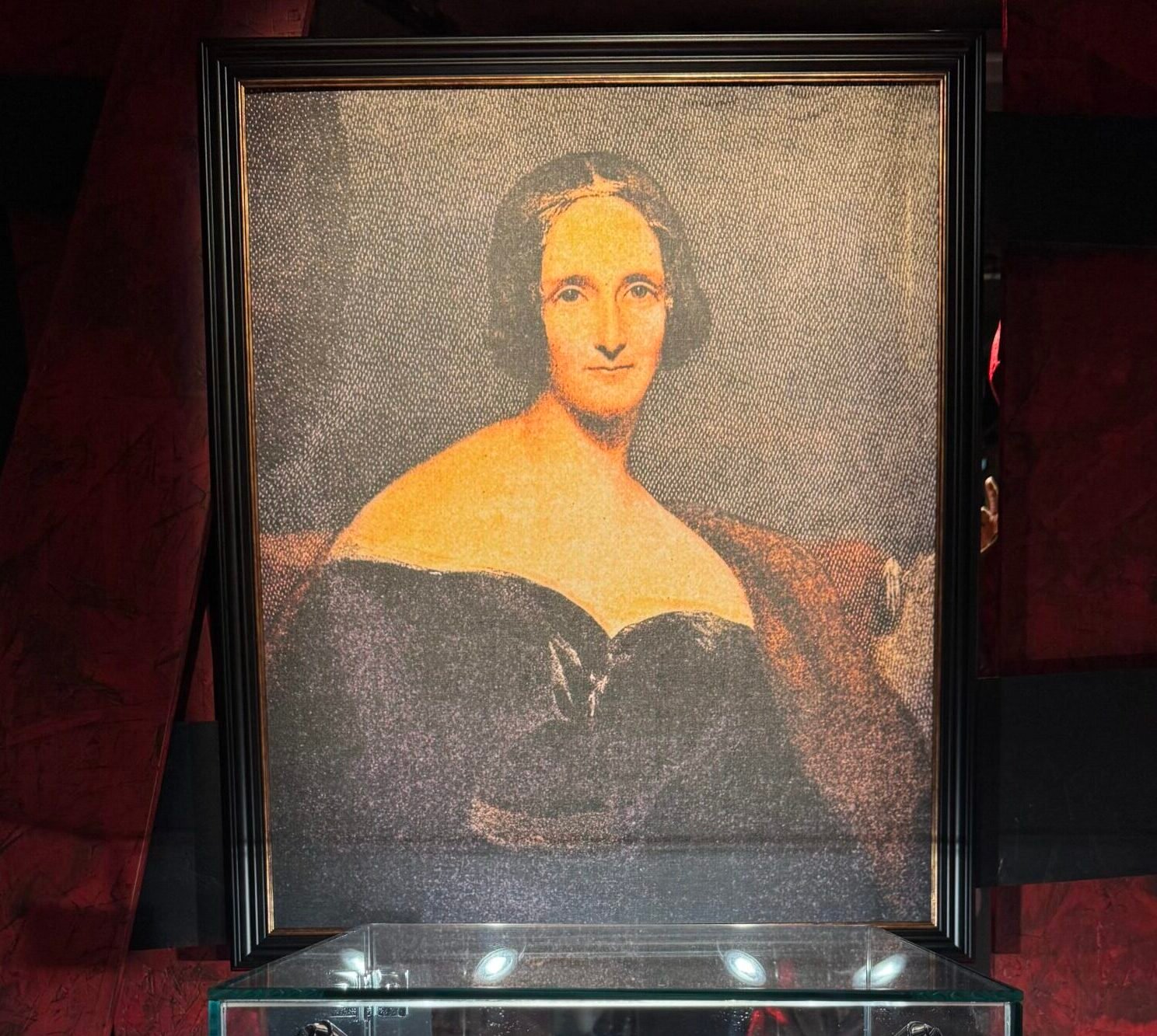
Long before science fiction had a name, before “gothic” became a subculture, and before monsters became metaphors for our own making, there was Mary Shelley — a teenager writing by candlelight, breathing life into what would become the most enduring literary creature of the modern world: Frankenstein.
Born in 1797 to feminist philosopher Mary Wollstonecraft and political writer William Godwin, Shelley’s literary bloodline ran deep. But it was isolation, grief, and the intellectual heat of her infamous summer with Percy Bysshe Shelley and Lord Byron that gave birth to Frankenstein; or, The Modern Prometheus — a novel that was as philosophical as it was terrifying.
What Shelley created wasn’t just horror. It was an autopsy of creation, abandonment, guilt, and human ambition. The novel's monster — unnamed, unloved, and profoundly aware — became a mirror for the reader, and in many ways, a reflection of Shelley herself.
“Beware, for I am fearless, and therefore powerful.”
— Frankenstein, Mary Shelley
More Than a Monster
In her lifetime, Mary Shelley was widowed young, buried children, and lived through political, social, and scientific upheaval — yet she continued to write, edit, and publish under circumstances few men of her time would endure. Her influence stretches far beyond Frankenstein, touching upon works like Mathilda, The Last Man, and countless letters and essays that show a woman grappling with grief, genius, and legacy.
Frankenstein is often misunderstood as a simple horror tale, but it’s a story of philosophical complexity — of what it means to create without responsibility, to be born without belonging, and to be shaped more by rejection than design.
The New Film & Cultural Echoes
As Guillermo del Toro prepares to release his own cinematic vision of Frankenstein through Netflix, we find ourselves returning not just to the story, but to its creator. Del Toro has made clear this version is deeply personal — more mythic reflection than monster-movie spectacle.
In his words:
“This is not a horror movie — this is an emotional story for me. It’s as personal as anything.”
It’s fitting. Del Toro — who has always been drawn to “beautiful monsters” — recognises what Shelley understood instinctively: that the creature is not the villain. He is the consequence.
And as modern society continues to wrestle with creation, technology, and the ethics of power, Frankenstein remains uncannily relevant. Each new adaptation — from Boris Karloff’s tragic brute to del Toro’s soulful reimagining — adds another layer to a myth that refuses to die.

The Thread That Remains
This isn’t just a story about a man and his monster. It’s a story about a woman — young, brilliant, and grieving — who dared to look deeper. In a time when women’s voices were minimised, Mary Shelley’s endures. And so does her monster, because like all great literature, Frankenstein wasn’t written to scare. It was written to last.
Join the Caviar & Co. Inner Circle
Don’t forget to sign up for the Caviar & Co. newsletter to stay updated on curated picks, exclusive interviews, seasonal guides, and upcoming editorial features — delivered straight to your inbox each month.
Tag us, we’d love to know what you're reading. Whether it’s a reinterpretation of Frankenstein, a gothic novel that’s lingered with you, or a story by a woman whose voice deserves more light — share it with us. Tag @CaviarAndCo and use the hashtag #TheReadingRoom to join the conversation.
Pull Up a Seat at The Guest Chair
Would you like to be a writer for the day?
We’d love to hear from you. What’s your ritual? What’s a habit, product, or philosophy that’s changed your life or the way you see yourself? Please submit your story. Through our Guest Chair, you can contribute to Caviar & Co. by sharing your take within one of our existing segments. Click through to discover how to submit and be featured.
Explore More from Our World
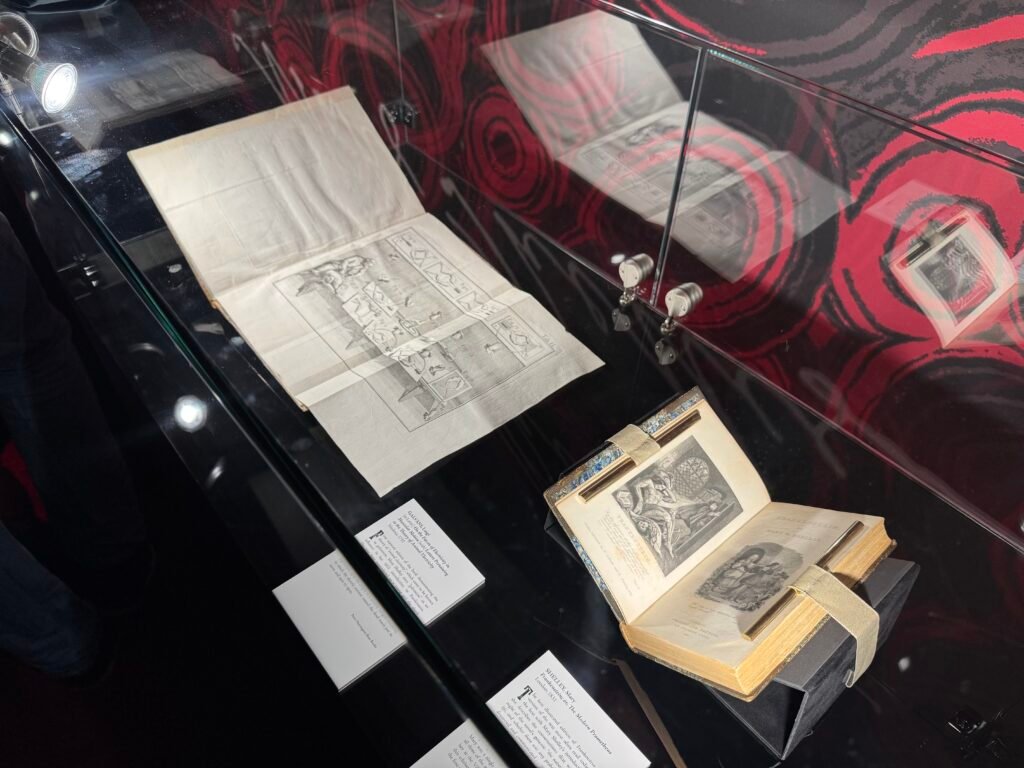
The story doesn’t end on the page. Step inside the world of Frankenstein — literally. In our upcoming feature, From Page to Exhibition, we visit the Selfridges Hotel’s immersive showcase of Guillermo del Toro’s new adaptation. Costumes, illustrations, rare books, Tiffany & Co. jewellery, and never-before-seen props bring Shelley’s legacy to life — in all its cinematic detail.