
“ Published in Catching Flights | Written by Caviar & Co.
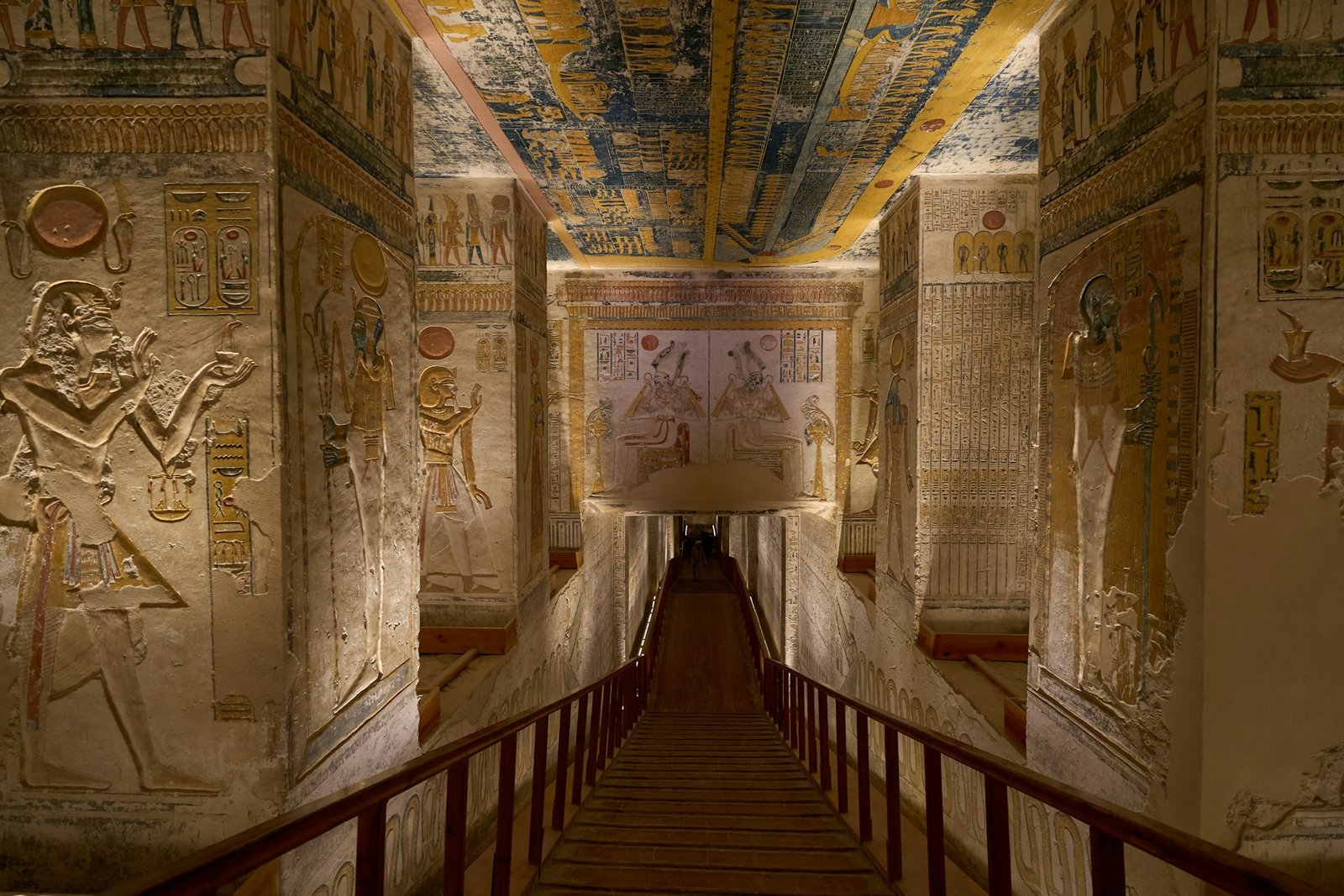
For centuries, Egypt’s story has been told from afar — filtered through foreign exhibitions, museum halls, and glass cabinets thousands of miles from the Nile. But with the long-awaited opening of the Grand Egyptian Museum, that narrative begins to return home. Set against the golden backdrop of the Giza Plateau — a mere breath away from the pyramids — this monumental space doesn’t just house relics. It reclaims presence. It rewrites authorship.
Set against the golden backdrop of the Giza Plateau — a mere breath away from the pyramids — this monumental space doesn’t just house relics. It reclaims presence. It rewrites authorship.
Embed from Getty ImagesA Legacy, Finally Sheltered at Home
The idea of the Grand Egyptian Museum first surfaced in the early 1990s. What followed was a journey marked by delays, revolutions, economic shifts, and great global change. And yet, the project endured. Not just as a national pursuit, but as a cultural reclamation. Now, after more than two decades, Egypt unveils what is arguably the most significant archaeological museum in the world — an archive of over 50,000 artefacts, many of which have never been shown together, if at all.
But this isn’t just about display. It’s about dignity. It’s about ownership. And for many Egyptians, especially women and creators who have long seen their heritage presented through someone else’s lens, it’s deeply personal.
Where Architecture Meets Ancestry
The museum itself feels less like a building and more like a landscape — one that opens its arms wide toward the pyramids. Designed by Dublin-based architects Heneghan Peng, the space is vast yet intentionally reverent. There are clean lines, yes, and sweeping halls — but the materials speak of earth, sand, and sunlight. It mirrors what it protects.
In its soaring atrium stands a colossal statue of Ramesses II, not tucked away or dimly lit, but positioned proudly beneath glass, light pouring across his shoulders like time made visible. The museum's Grand Staircase leads upward through Egypt’s dynastic eras, flanked by towering figures and carved histories. And perhaps most powerful of all — at the summit of the staircase, a window frames the pyramids in the distance. The message is clear: this is not a story removed from place, but one rooted in it.
Tutankhamun, Reunited
Embed from Getty ImagesOne of the crown jewels of the museum is the complete assemblage of Tutankhamun’s treasures — over 5,000 objects painstakingly restored, preserved, and now, finally, housed together. From the iconic golden mask to intimate personal items, it’s an invitation to step not only into his tomb, but into his world. It’s also a reminder: for decades, Egypt's greatest treasures were scattered across international institutions. Now, a different chapter begins — one where the cultural heartbeat of Egypt is no longer divided.
A Moment for Egypt, and for the World
To say that Egypt deserves this moment is an understatement. The country has gifted the world with some of civilisation’s earliest expressions of medicine, mathematics, storytelling, and sacred design. Its visual language still echoes in modern art, fashion, architecture — from editorial aesthetics to haute couture runways.
But influence isn’t the same as ownership. And for many Egyptians, the opening of the Grand Egyptian Museum is not just symbolic — it’s spiritual. It’s a long-overdue act of care. As an Egyptian-founded platform, we at Caviar & Co. are deeply moved by the scope and soul of this project. It stands as both monument and metaphor: Egypt holding the mirror up to itself and saying — this is ours, and we will tell it our way.
What This Means for Storytellers
As creatives — whether in fashion, writing, film, or visual design — we often draw inspiration from antiquity. Hieroglyphs, silhouettes, symbolism — all of it lives inside the aesthetic memory of Egypt. But to engage with it ethically means understanding where it comes from. Seeing it in its own context. Letting it speak in its own voice.
The Grand Egyptian Museum offers more than information. It offers proximity. It brings us closer not only to artefacts, but to the philosophies and imaginations that birthed them.
Choosing Egypt for your next adventure?
Plan Your Visit - Whether you’ve long dreamed of walking among ancient artefacts or you’re simply craving a destination that blends history with soul — let this be your sign. The Grand Egyptian Museum is now open to visitors in Giza.
https://egyptianmuseumcairo.eg
Join the Caviar & Co. Inner Circle
Don’t forget to sign up for the Caviar & Co. newsletter to stay updated on curated picks, exclusive interviews, seasonal guides, and upcoming editorial features — delivered straight to your inbox each month.
How has heritage shaped your perspective? Have you ever encountered a museum, a place, or a piece of history that made you pause — or feel deeply connected to something larger than yourself? We’d love to know. Tag us in your reflections or inspirations on Instagram @CaviarAndCo using the hashtag: #catchingflights.
Pull up a Seat at The Guest Chair
Would you like to be a writer for the day?
We’d love to hear from you. What’s your ritual? What’s a habit, product, or philosophy that’s changed your life or the way you see yourself? Please submit your story. Through our Guest Chair, you can contribute to Caviar & Co. by sharing your take within one of our existing segments. Click through to discover how to submit and be featured.
Explore More from Our World
From relics to wardrobes, explore how character is shaped not only by history, but also by the stories we wear.
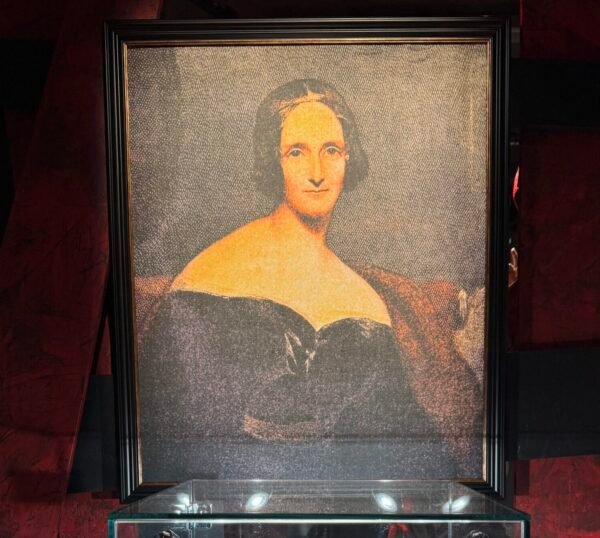
Step behind the seams in our feature on Dressing the Monster: Fashion & Costume Behind Victor Frankenstein — where silhouette, psychology, and storytelling merge in one unforgettable exhibition.